

Finland’s healthcare sector is known for its strong focus on innovation, sustainability, and advanced material research. As the demand for safer, more comfortable, and environmentally responsible healthcare products continues to grow, healthcare manufacturers and research institutions are exploring new materials that offer both performance and sustainability. One such material gaining increasing attention is viscose fiber.
Derived from natural cellulose fibers, viscose fiber combines the benefits of natural materials with the performance characteristics required for modern healthcare applications. Its softness, high absorbency, breathability, and biodegradability make it highly suitable for medical textiles, hygiene products, and healthcare fabrics.
In Finland, where sustainability and healthcare innovation go hand in hand, viscose fiber has become an important material for developing next-generation healthcare solutions.
What Is Viscose Fiber?
Viscose fiber is a regenerated cellulose fiber produced from natural sources such as wood pulp. Because it originates from cellulose fibers, viscose retains many of the beneficial properties of natural materials while offering improved versatility during textile manufacturing.
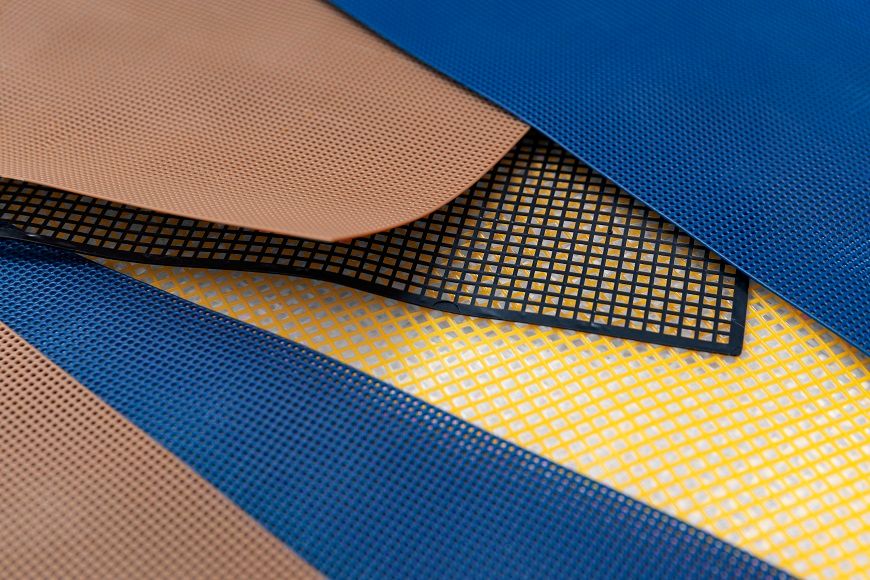
Some of the key characteristics of viscose fiber include:
· High moisture absorption
· Soft and smooth texture
· Excellent breathability
· Biodegradable and sustainable origin
· Compatibility with various textile finishing processes
These properties make viscose fiber particularly valuable in healthcare environments where comfort, hygiene, and material safety are essential.
Finland’s strong forestry sector also makes cellulose-based materials highly relevant for sustainable textile innovation.
Growing Importance of Medical Textiles in Healthcare
Medical textiles are widely used in hospitals, clinics, and healthcare facilities for a variety of applications. These specialized textiles must meet strict requirements related to hygiene, durability, comfort, and sterilization resistance.
Healthcare products that rely heavily on advanced textile materials include:
· Surgical gowns and drapes
· Face masks and protective clothing
· Wound care dressings
· Medical wipes and hygiene products
· Absorbent healthcare materials
Because of its absorbency and softness, viscose fiber is commonly used in the production of medical nonwovens and healthcare fabrics. These materials provide comfort for patients while ensuring high levels of hygiene and protection.
Applications of Viscose Fiber in Hygiene Products
One of the most important healthcare applications of viscose fiber is in hygiene products. The fiber’s natural absorbency makes it ideal for products that require moisture management and comfort.
Viscose fiber is widely used in:
· Medical wipes
· Surgical swabs
· Personal hygiene products
· Disposable healthcare materials
· Absorbent wound care products
Because viscose is derived from cellulose fibers, it is also biodegradable, making it an environmentally responsible option for disposable healthcare items.
As Finland continues to promote sustainable healthcare solutions, biodegradable fiber materials like viscose are becoming increasingly important in the design of eco-friendly hygiene products.
Role of Viscose Fiber in Medical Nonwovens
Nonwoven fabrics play a critical role in modern healthcare products. Unlike traditional woven textiles, nonwoven materials are engineered to provide specific properties such as filtration efficiency, absorbency, and barrier protection.
Viscose fiber is frequently used in nonwoven healthcare fabrics because of its excellent absorbent properties and compatibility with fiber blending technologies.
In medical nonwoven applications, viscose fiber is often combined with synthetic fibers to create materials that balance comfort, durability, and functionality.
These nonwoven materials are used in products such as:
· Surgical masks
· Disposable gowns
· Medical filtration fabrics
· Sterile wipes
· Healthcare cleaning materials
Finland’s advanced textile research ecosystem is actively exploring innovative nonwoven structures that incorporate viscose fiber to enhance healthcare product performance.
Combining Viscose Fiber with Conductive Fabrics
The future of healthcare textiles is also moving toward smart textiles and wearable medical technologies. One area of innovation involves combining traditional fibers with conductive fabrics that can monitor health conditions.
Conductive fabrics are capable of transmitting electrical signals and can be used in medical monitoring devices and smart healthcare garments.
When combined with viscose fiber, conductive fabrics can help create comfortable and breathable wearable textiles used in healthcare monitoring systems. These smart fabrics may be used in:
· Patient monitoring garments
· Rehabilitation wearables
· Smart bandages
· Healthcare sensor textiles
Finland’s strong research capabilities in electronics and materials science make it an ideal environment for developing these advanced healthcare textile technologies.
Sustainable Textile Processing and Natural Dyes
Sustainability is an important priority in Finland’s healthcare and textile sectors. Manufacturers are increasingly focusing on eco-friendly production processes that minimize environmental impact.
Viscose fiber supports sustainable healthcare textile production because it originates from renewable cellulose fibers. Additionally, healthcare fabrics made from viscose can be processed using environmentally friendly techniques, including the use of natural dyes.
Natural dyes derived from plants and organic materials offer a more sustainable alternative to synthetic dyes. When applied to cellulose-based fibers such as viscose, natural dyes can produce safe and environmentally responsible textile finishes.
This approach supports Finland’s broader sustainability goals while promoting greener healthcare textile manufacturing practices.
Importance of Advanced Fiber Materials in Healthcare Innovation
As healthcare technology evolves, the need for advanced fiber materials continues to grow. Modern healthcare textiles must provide multiple functions, including comfort, antimicrobial protection, absorbency, and durability.
Viscose fiber offers an excellent balance of these properties while maintaining sustainability advantages. Its compatibility with other advanced textile materials allows researchers and manufacturers to develop innovative healthcare products.
Through research in cellulose-based materials, smart textiles, medical nonwovens, and sustainable fiber technologies, Finland’s healthcare industry is expanding the possibilities for next-generation healthcare fabrics.
Future Outlook for Viscose Fiber in Finland’s Healthcare Industry
The demand for sustainable healthcare materials is expected to increase significantly in the coming years. With growing interest in biodegradable fibers, smart medical textiles, and eco-friendly manufacturing processes, viscose fiber will continue to play a vital role in healthcare innovation.
Future developments may include:
· Smart healthcare textiles using conductive fabrics
· Biodegradable medical hygiene products
· Advanced nonwoven wound care materials
· Sustainable healthcare textile manufacturing using natural dyes
Finland’s strong research infrastructure and commitment to sustainable innovation position the country as a key leader in healthcare textile development.
As healthcare manufacturers continue to explore advanced fiber materials, viscose fiber derived from cellulose fibers will remain an essential component in the development of safe, sustainable, and high-performance healthcare products.